Why Auroras Form Curtains: The Science Behind Nature’s Light Show (September 2026)
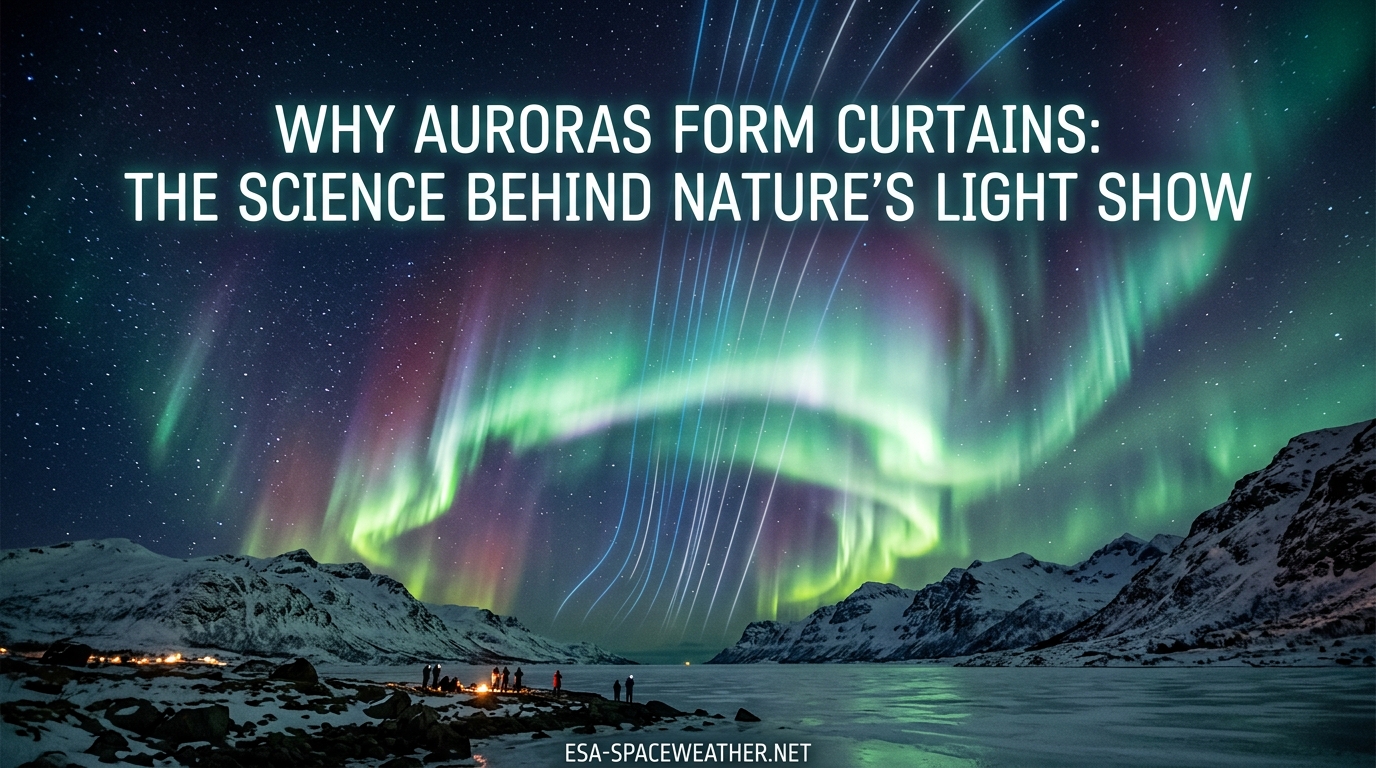
Why Auroras Form Curtains The Science Behind Nature's Light Show

Auroras form curtains because charged particles from the Sun spiral along Earth’s magnetic field lines, creating thin sheets of glowing gas that align vertically in the polar atmosphere. These luminous sheets, observed from below, appear as flowing draperies of light because the particles travel in narrow, parallel paths that are all oriented in the same … Read more
How the Solar Cycle Affects Aurora Season Length on Earth (September 2026)

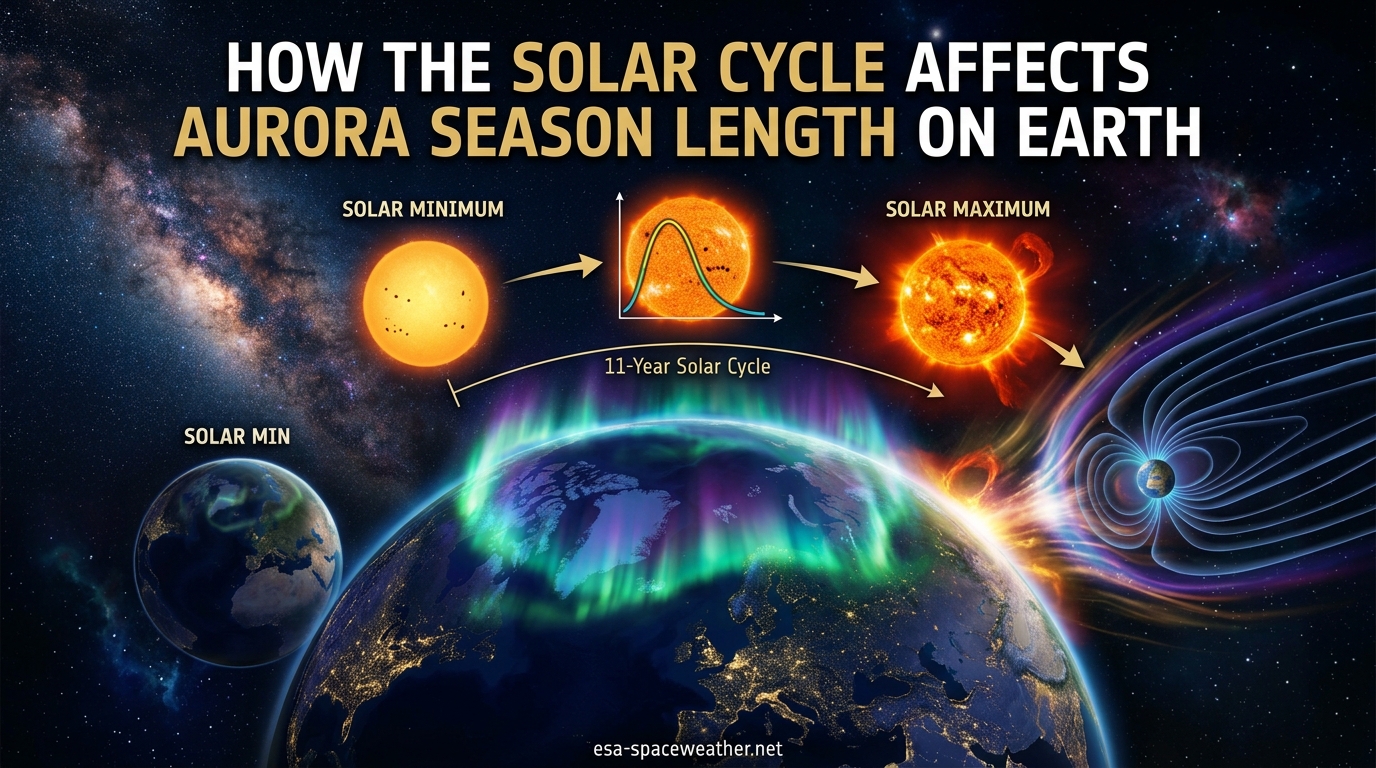
How the Solar Cycle Affects Aurora Season Length on Earth

The solar cycle controls aurora season length on Earth by regulating how often coronal mass ejections and high-speed solar wind streams reach our atmosphere. During solar maximum, increased solar activity produces more frequent geomagnetic storms, which extends the effective aurora season and pushes the auroral oval further south. During solar minimum, fewer storms mean the … Read more

Why a Full Moon Changes Aurora Photography (September 2026)

Why a Full Moon Changes Aurora Photography

Yes, a full moon absolutely changes how you should photograph the aurora. The extra ambient light from an 80-100% illuminated moon means you need lower ISO values (800-1600 instead of 3200-6400), shorter shutter speeds (8-15 seconds instead of 20-30), and warmer white balance settings (around 4800K instead of 4000K). Full moon aurora photography is not … Read more